

Study Destination
Find Your Path Sri Lanka To The Europe
Introduction
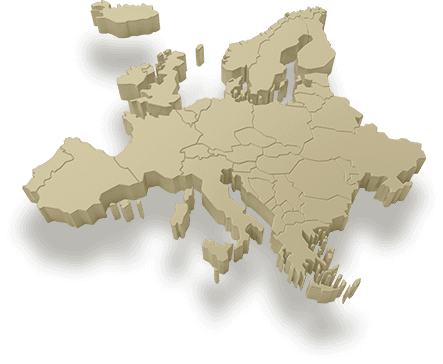
Europe offers accessible, high-quality education in diverse cultural settings. Countries like Germany, France, the Netherlands, and Sweden provide world-class institutions, moderate tuition, and career pathways with visa flexibility.
While norms vary by country, students can expect: - Punctuality and academic independence - Multilingual environments (English is widely spoken in higher education) - Cafeterias, student cards, and subsidized transport (monthly passes from €30–€60) - Lectures mixed with practical labs, case studies, or seminars
Each country has its own centralized platform: - Germany – DAAD or UniAssist - France – Campus France - Netherlands – Studielink.nl - Sweden – universityadmissions.se
Typical requirements: - GCE A/Ls or equivalent - English proficiency (IELTS 6.0–7.0) or local language (e.g., DELF for French-taught programs) - Motivation letter, references - Application deadlines: January–April for Fall intake (varies)
• Germany: Public universities often tuition-free; semester contribution €200–€350 (depends on the institution and course type) - France: €2,770 (Bachelor), €3,770 (Master) at public universities - Netherlands: €8,000–15,000/year for non-EU students - Sweden: €9,000–17,000/year - Living costs: €700–€1,200/month (depends on city) - Additional: residence permit fees, health insurance (~€80/month if not public)
Students may work: - Germany: 120 full days or 240 half days/year - France: 964 hours/year (~20 hours/week) - Netherlands/Sweden: 16–20 hours/week
Post-study visas: - Germany: 18-month job seeker visa - France: 12-month temporary residence to seek work - Netherlands: Orientation year permit (1 year)
• Accommodation via university dorms or shared flats (avg. €300–€600/month) - Many cities offer cycling infrastructure (esp. the Netherlands, Germany) - International student services support integration (orientation, visa renewal, career centres) - Language classes are often available free or subsidized
Graduates can: - Apply for jobs and transition to a work visa or EU Blue Card (min salary threshold applies) - Remain under a post-study permit and apply for PR later (varies by country) - Enter research or doctoral tracks
In-demand sectors: - Engineering (mechanical, electrical, civil) - IT & data science - Environmental science - Logistics & supply chain (esp. Germany/Netherlands)
Ready to Start Your Journey?
Get personalized guidance for studying in Europe